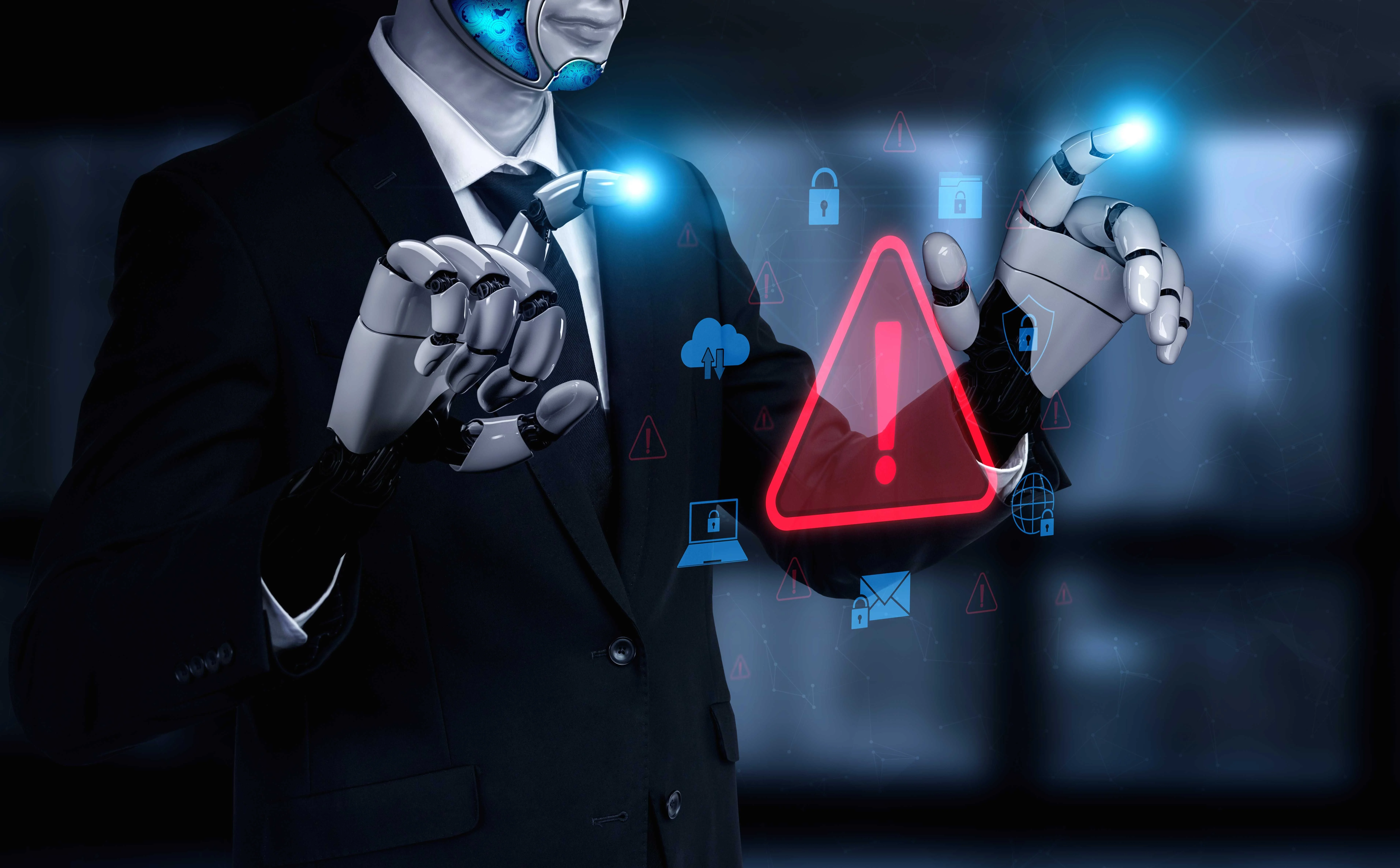
Cybersecurity leaders face a pressing need to overhaul their cyber risk strategies in light of alarming advancements in artificial intelligence. A coalition of national cybersecurity agencies, known as Five Eyes, has issued a stark warning reflecting the imminent threats posed by AI-driven capabilities. Their recent communiqué highlights that the capabilities of next-generation AI tools may soon outstrip current defenses, demanding immediate and decisive action from organizations.
The Five Eyes group, which includes the US Cybersecurity and Infrastructure Security Agency (CISA), the UK National Cybersecurity Centre, the Canadian Centre for Cyber Security (CCCS), the Australian Cyber Security Centre, and the New Zealand Cyber Security Directorate, released their call to action to business leaders, stressing that the timeline for adaptation is urgent, with some threats emerging in mere months rather than years.
In response to the rise in AI being used maliciously, the statement emphasizes that cyber resilience is key to maintaining market trust and operational viability. It’s not just about strengthening defenses but integrating cybersecurity into the core of business strategy. For this reason, the focus must shift from considering cyber risk as a technical challenge to viewing it as a fundamental business risk, requiring buy-in from executives and board members.
Understanding AI's Impact on Cybersecurity
With AI tools becoming more accessible, organizations are now within a landscape where cyber threats are evolving rapidly. The CCCS noted that AI is currently enhancing attackers' capabilities to discover and exploit vulnerabilities, raising the stakes for defenders. The Five Eyes memorandum urges organizations to reassess their readiness and accountability while adopting foundational cybersecurity measures. The call is clear: to mitigate risk, organizations must act swiftly.
The guidance specifies several foundational principles that organizations must embrace, such as implementing design strategies that prioritize security. Additionally, organizations are urged to establish robust defensive layers capable of countering zero-day vulnerabilities, which are notoriously challenging to mitigate. It’s apparent that the security framework must extend beyond mere compliance; organizations must ensure their defenses can withstand actual incident scenarios.
Practical Steps to Enhance Cyber Defense
To help organizations navigate this challenging environment, the Five Eyes coalition has outlined five specific actions aimed at reducing attack surfaces and bolstering defenses: enhancing identity and access management, accelerating system patching, addressing outdated systems, effectively preparing for potential breaches, and conducting regular tests of response strategies. While these actions aren’t novel, the urgency has amplified, underscoring the necessity of proactive measures against both technical and reputational risks.
This broad set of recommendations forces leaders to confront a fundamental reality: cybersecurity is no longer a set-it-and-forget-it task. It requires continuous adaptation and adjustment in response to a fast-evolving threat landscape dominated by AI advancements. The Five Eyes coalition is explicit that failure to adapt results in operational disadvantages, further establishing cybersecurity as a core business issue rather than a peripheral technical concern.
Criticism of Generic Guidance
However, not all experts are satisfied with the guidance provided. Joseph Steinberg, a noted cybersecurity advisor, criticized the message for lacking specific strategic direction required to combat AI-related risks. He suggests that the guidance fails to address several AI-related vulnerabilities, thus rendering it less effective in equipping boards and executives for the challenges ahead. His observation highlights a broader discourse within the cybersecurity community calling for more nuanced and detailed recommendations that reflect contemporary threats.
Rob Enderle from the Enderle Group echoed similar sentiments, suggesting that while the warning from Five Eyes comes late, it reflects the urgency of addressing AI’s profound impact on security. He argued that the fundamental threat landscape has already undergone significant transformation, making it imperative for corporate leadership to treat cybersecurity as an integral element of core business strategy. Enderle emphasizes that comprehensive risk management needs alignment from all executive levels, recognizing that AI influences various aspects of organizational governance and operational integrity.
Adding to the conversation, Ilia Kolochenko, CEO of ImmuniWeb, pointed out that the real threats often emerge from within organizations as companies rapidly deploy AI solutions without proper risk assessment or awareness of the potential pitfalls. This internal misalignment with security protocols could lead to vulnerabilities being exploited more blatantly by external threats.
Looking Ahead
One certainty emerges from this ongoing dialogue: the cybersecurity landscape is evolving, and organizations cannot afford to remain static. The call to action from Five Eyes is a pivotal reminder for organizations to evaluate their cyber risk strategies comprehensively and act promptly. It’s clear that as threat actors adopt more sophisticated AI tools, businesses must ensure their cybersecurity measures adapt to protect both their assets and their reputation, necessitating ongoing vigilance and investment in security resources. Only then can companies hope to navigate the complexities and challenges that lie ahead in this rapidly changing technological environment.