Apple is gearing up to release a revamped Siri AI as part of the iOS 27, macOS Golden Gate, and watchOS 27 updates. This major enhancement, currently in beta and set for public rollout this fall, will only be available on select newer Apple hardware. Below is the comprehensive list of devices that will support this advanced Siri functionality.
Supported Apple Products for Siri AI
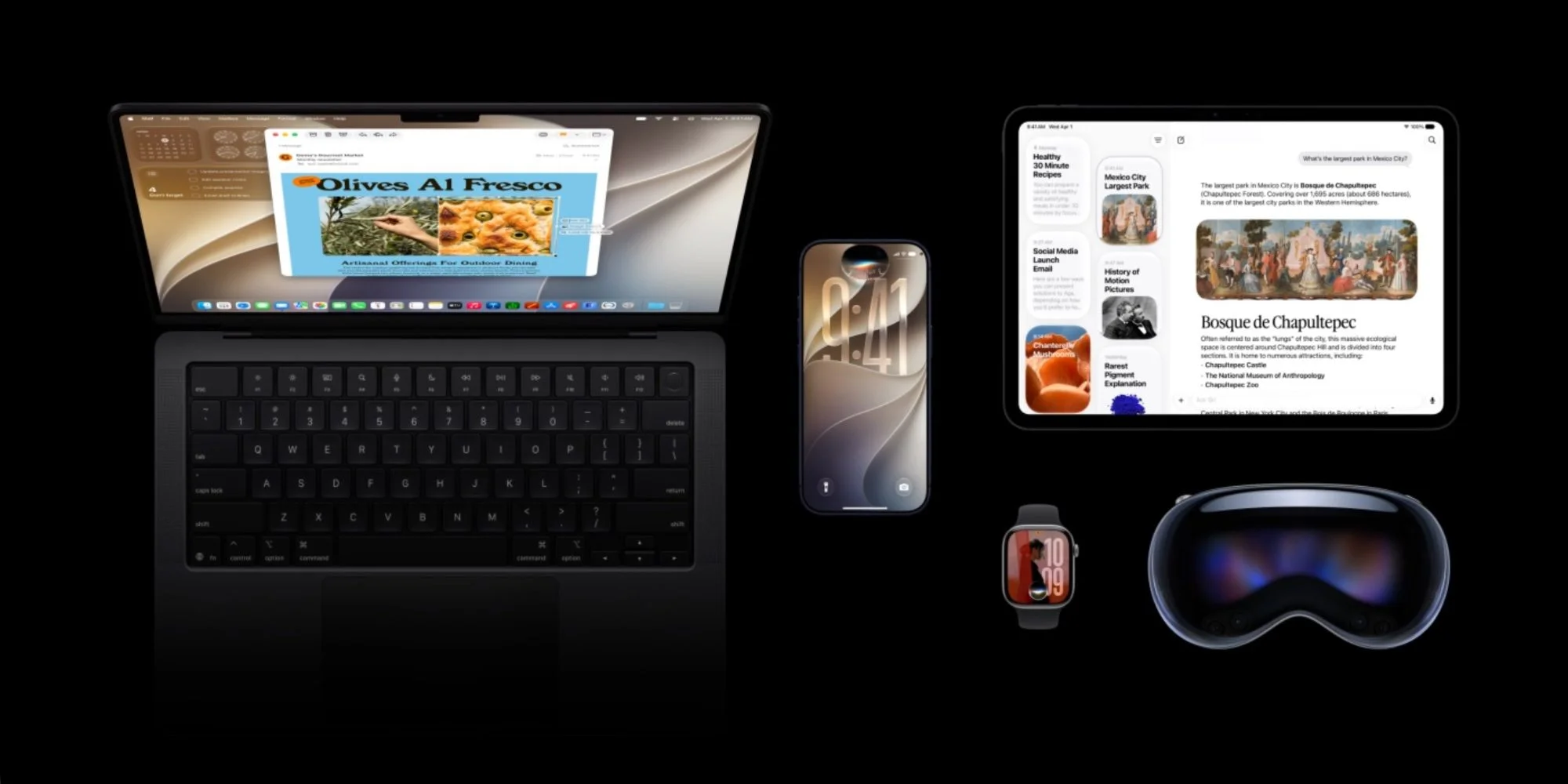
iPhone Models
- iPhone 17 Pro and Pro Max
- iPhone Air
- iPhone 17
- iPhone 17e
- iPhone 16 Pro and Pro Max
- iPhone 16 and 16 Plus
- iPhone 16e
- iPhone 15 Pro and Pro Max
iPad Models
- iPad Pro (M1 chip and later)
- iPad Air (M1 chip and later)
- iPad mini (A17 Pro)
Mac Models
- All models with Apple silicon (M1 chip and later, including A18 Pro chip)
Apple Watch (requires pairing with AI-supported iPhone)
- Apple Watch Series 9 and later
- Apple Watch Ultra 2 and later
- Apple Watch SE 3
Apple Vision Pro
- All models
These devices will be equipped to take advantage of Siri AI's features at launch. However, the experience will be optimized on specific models, particularly in terms of voice customization and execution. For instance, the ability to personalize Siri AI’s voice modulation will be exclusive to:
iPhone 17 Pro, iPhone 17 Pro Max, iPhone Air, iPad models with M4 and later and a minimum of 12GB of unified memory, Mac models with M3 and later and at least 12GB of unified memory, and Apple Vision Pro (M5).
Furthermore, the advanced on-device AI capabilities seem to require the same newer hardware, leaving some uncertainty about how these limitations might affect Siri's overall performance.
Will these enhancements in Siri AI compel you to upgrade your device? Share your thoughts in the comments.
Implications for Apple and Consumers
The introduction of an enhanced Siri AI isn't just about new features; it's also a significant move in Apple's ongoing battle in the voice assistant arena. Competitors like Google's Assistant and Amazon's Alexa continue to refine their offerings, pushing Apple to step up its game. While Siri has historically lagged in terms of capabilities compared to its rivals, this update suggests Apple recognizes the potential to transform Siri from a basic assistant to a more powerful and engaging tool. But how effective will these changes actually be?
It's clear Apple is focusing on high-end users with this update. The limited compatibility with newer devices indicates a strategy to position the latest releases as essential purchases for anyone serious about experiencing advanced voice interactions. But this raises questions: What about users with older hardware? Will they be marginalized in a world increasingly reliant on voice technology? And let’s face it, enhancing Siri is just one piece of a larger puzzle for Apple; they have to ensure that it integrates well across their ecosystem, and that can only happen if users are willing to invest in newer devices to access these features.
Voice Customization and User Experience
The feature allowing personalized voice modulation is a clear attempt to enhance user experience. It speaks to an increasing demand for personalization in technology. Consumers want tools that resonate with them—tools that sound human, relatable. (And this is the part most people overlook.) But how effective will this voice customization actually be? Will it truly feel like talking to a personalized assistant, or will it be a gimmick that wears thin after the initial novelty?
Moreover, this focus on specific models for optimal performance limits accessibility. You'll need the latest devices to unlock the full potential of the new Siri AI, and that's a barrier for many. If you're working in this space, you need to consider how this step might impact brand loyalty. Users who can't afford to keep upgrading may begin exploring alternatives in voice technology, thereby diminishing their loyalty to Apple products.
Facing New Challenges and Competition
With competitors continuously enhancing their own voice assistants, Apple must ensure that this update isn't perceived as just a face-lift but rather a significant leap forward in terms of functionality. Siri needs to stand out. It must offer features that aren't merely shiny but profoundly practical. Consider the plethora of tasks that voice assistance can manage—setting reminders, playing music, controlling smart home devices. These functionalities must be fundamentally improved to keep pace with shifts in user expectations and the competitive field.
In the long run, consumers will be the ultimate judges. Whether they see enough value in the new features to justify hardware upgrades may determine how effective Apple’s strategy is. If the new Siri serves as a catalyst for increased device selling, Apple might just find itself further solidifying its status as a dominant tech player. However, should the enhancements fail to excite, consumers may question the long-term viability of sticking with Apple.
In this continuously changing environment, Apple faces both challenges and opportunities. The renewed focus on Siri might open doors for new applications and integrations, but it may also end up widening the gap between Apple and its user base, particularly those unwilling or unable to upgrade.