Understanding Your App Usage
It's become increasingly common for users to feel overwhelmed by their smartphone habits. For many, cutting down on iPhone usage isn't just a fleeting thought; it's a calculated goal aimed at improving focus, restoring personal relationships, or reclaiming precious time. Traditional screen time trackers have tried to address this urge, providing users with data on their app interactions. But often, this information falls short of spurring tangible change. Users might see that they spend a lot of time on Instagram or TikTok, but simply being aware of it isn't always enough to shift their behaviors or motivate them towards more productive activities. This paradox of awareness versus action is a well-documented phenomenon across various domains, from productivity science to behavioral psychology.
'Oh My Hours' Changes the Game
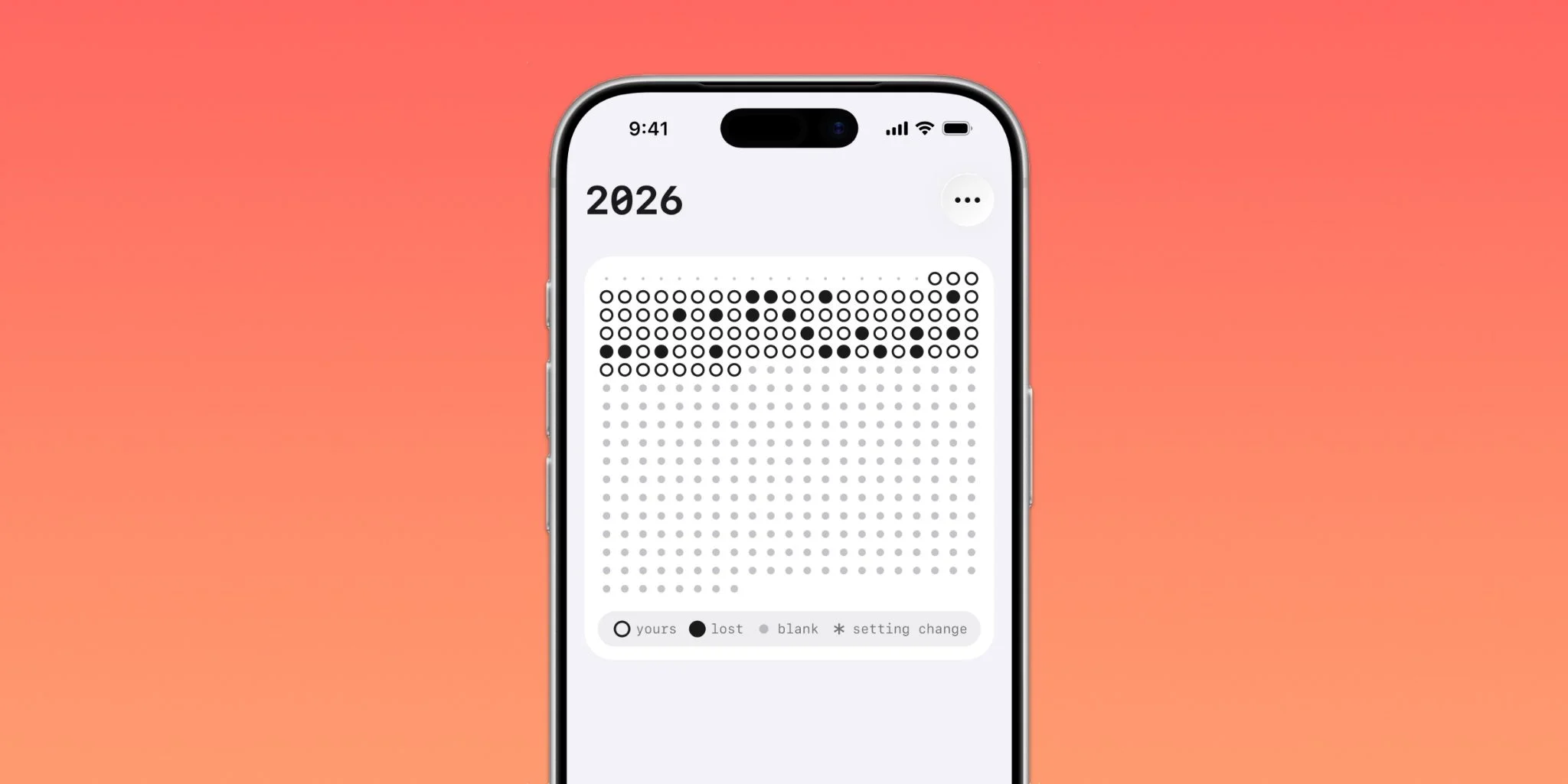
Enter Oh My Hours. This app doesn't just slap a number on your screen time; it takes a more nuanced approach to self-awareness. Key to this app’s premise is its distinct focus on identifying and tracking the time spent in less desirable apps. Think of it as a reality check for your app usage habits. Instead of casually informing you that you've reached a daily limit, it digs deeper to show just how much of your time is actually being squandered on non-productive activities. It's about shining a spotlight on the guilty pleasures—like scrolling through endless cat videos or binge-watching shows that can consume hours yet yield little satisfaction or benefit.
The Mechanics Behind 'Oh My Hours'
So, how does the app actually work? It employs metrics similar to other screen time trackers but with a significant twist. By breaking down time spent into categories—productive versus unproductive—it allows users to see not just the quantity of their app usage, but also the quality of that time. This classification can range from time spent on essential communication apps like email or Slack to distractions like games or social media. Users are prompted to reflect on their behavior. It’s that reflective process that can prompt a reassessment of priorities.
What this also means is that typical behavioral patterns can be recorded and analyzed, offering insights over time. One might notice that weekends are characterized by more profligate use of time on entertainment apps while weekdays might see engagement with productivity tools. This sort of breakdown might inspire changes in routine, like opting for apps that foster growth, education, or goal progression instead of mindless scrolling.
The Industry Context
Looking at the broader landscape of productivity apps, you'll find a mixed bag. Several personal management apps have attempted to tackle screen time from various angles. Some focus on task management, others on time-blocking methods, yet few take the direct approach seen in 'Oh My Hours'. A few years ago, for instance, apps like Forest attempted to gamify productivity but did so by planting virtual trees for remaining focused, which felt like a band-aid solution rather than tackling the core issue of time management directly.
The market's direction correlates with a growing recognition around digital wellness, largely spurred by escalating concerns about the mental health impacts of excessive smartphone use. Companies like Apple and Google have incorporated features within their existing ecosystems to help users monitor and manage their usage. Yet, many continue to seek more personalized, granular insights into their habits—something that 'Oh My Hours' promises to deliver more effectively.
User Experience and Engagement
This gets intriguing when you consider user motivation. Higher engagement levels tend to emerge when users are faced with their habits in a confrontational manner. More traditional trackers can feel passive or even punitive—users check the numbers and might shrug them off. 'Oh My Hours' flips this on its head by visually portraying the ‘loss’ associated with wasted time in a way that encourages engagement rather than discouragement. It capitalizes on the human tendency to improve when we can see direct feedback about our behavior.
But there’s one caveat—what if users simply brush off the insights? If you're working in this space, you'll understand that the success of such applications often hinges on the user's willingness to change. Psychology plays a significant role in how feedback is received. Some users might react positively to this data and adapt their habits, while others may find ways to rationalize their screen time behaviors. That variance is crucial.
Future Implications and Outlook
The significance of 'Oh My Hours' likely extends beyond the app itself. As calls for digital wellness amplify, we're likely to see more applications like this emerge, attempting to bridge the gap between awareness and meaningful change. Developers might seamlessly integrate AI capabilities to offer tailored suggestions on improving habits based on consumption patterns. Think of it as your personalized coach for smartphone use, pushing for mindfulness in your everyday digital interactions. And yet, the paradox remains: as technology becomes more ingrained in our lives, how do we balance the tools designed to assist with those that distract?
Ultimately, the takeaway here is that understanding our phone usage is just the beginning. It's about more than tracking time; it's about fostering a mindset that prioritizes productivity and personal growth over distraction. If 'Oh My Hours' can effectively keep users engaged while offering meaningful insights, it may set a new standard for how we approach app usage. The numbers here are underwhelming if no behavioral change results, yet the potential for transformation lies within its unique approach. As we look at the world of app development and personal productivity, the conversations about how we spend our time have only just begun.