At this week's WWDC, Apple unveiled iOS 27, packed with new features centered around Siri and Apple Intelligence. A standout addition is Siri's introduction as a standalone app, making this the first time users will find Siri prominently displayed on their iPhone Home Screen.
The Siri App in iOS 27
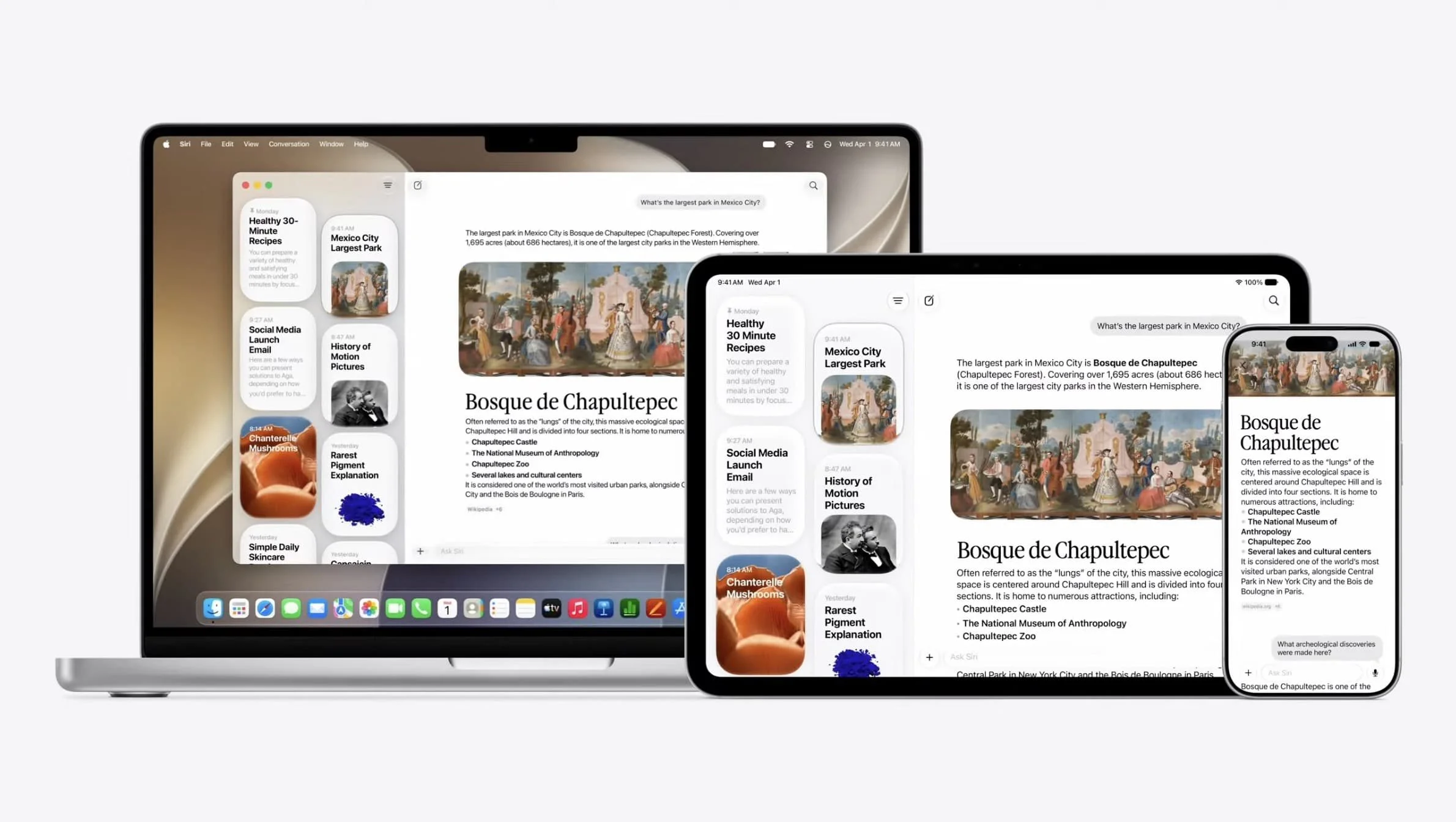
Upon upgrading to iOS 27 later this year, users will notice a new icon for the Siri app. This rollout extends beyond the iPhone, reaching various platforms including macOS 27, iPadOS 27, visionOS 27 for Vision Pro, and watchOS 27 for Apple Watch. Centralizing Siri in its own app indicates a significant shift in how Apple perceives and promotes its virtual assistant. Rather than being a mere feature tucked inside the Settings or hidden under voice commands, Siri will now take a front-and-center role across Apple’s ecosystem.
The Siri app brings a fresh chat-style interface, allowing users to revisit past interactions and initiate new conversations effortlessly. This design shift mirrors trends in messaging apps, where keeping a history of interactions has become essential for user retention. By implementing this chat-style interface, Apple aims to make Siri interactions feel more personal and engaging. With iCloud integration, these conversations synchronize across all Apple devices, enhancing continuity in communication. This means whether you're on an iPhone, iPad, or Mac, the experience remains consistent, reducing friction in multi-device usage.
But there’s more. Users can upload photos and files for Siri to analyze, expanding the app's functionality significantly. Such capabilities are not just about convenience; they represent a leap towards a more context-aware assistant. This upgrade also incorporates advanced Siri AI capabilities that enable the assistant to utilize personal context stored on the device, making responses more relevant. It’s one thing for an assistant to respond to questions; it’s another for it to understand your context, habits, and preferences. Siri can now interpret information found on the screen and provide answers tailored to the user's specific queries, which could enhance usability significantly.
Thanks to this personal context, Siri AI can draw from a variety of sources like messages, emails, and photos, leading to more precise and personalized interactions. The potential for Siri to serve as a more cohesive personal assistant is clear, but this also raises questions about user privacy. With such deep integration of personal data, users will have to weigh convenience against privacy concerns more than ever.
Siri App Compatibility in iOS 27
It's important to note that the availability of the Siri app is limited to recent iPhone models that support Apple Intelligence. Specifically, the following devices will be compatible:
- iPhone 15 Pro
- iPhone 15 Pro Max
- iPhone 16
- iPhone 16 Plus
- iPhone 16 Pro
- iPhone 16 Pro Max
- iPhone 17
- iPhone 17e
- iPhone Air
- iPhone 17 Pro
- iPhone 17 Pro Max
The focus on compatibility with newer models underscores Apple’s strategy of enticing users to upgrade their hardware while pushing the envelope on software capabilities. However, this approach could alienate a portion of its user base who are unable or unwilling to invest in the latest devices. If you're working in this space, you have to consider how the exclusion of older devices might impact user satisfaction and loyalty. Apple's selective compatibility could result in a divide among its customers, particularly among those who have been accustomed to receiving software updates across a wider array of devices.
Implications and Future Outlook
The introduction of the Siri app in iOS 27 could pave the way for a transformative period in Apple’s voice assistant strategy. Voice automation continues to expand in various sectors, from business environments to personal use cases, and Apple is clearly trying to stake its claim in that arena.
The shift to a standalone app might indicate that Apple recognizes the challenges Siri has faced in competing with rivals like Google Assistant and Amazon’s Alexa. These competitors have set the bar high, creating an environment where users demand increasingly sophisticated interactions with their digital assistants. And yet, despite the touted improvements, there remains skepticism about whether Siri can step out of the shadow of these more established players.
(And this is the part most people overlook) Siri’s advancements will likely face scrutiny. Users want tangible results. They expect real-time responses that can compete with human intuition. Siri's ability to interpret context and respond accordingly could either position it as a front-runner or as a feature that falls flat against competitors who have had longer to refine their offerings.
Apple's recent trend of incorporating new applications by default continues with the Siri app, following last year’s introduction of the Preview and Games apps, and the Image Playground app in iOS 18.2. The reception of the new Siri app is likely to be mixed among users, but it certainly sets a new precedent for voice interaction on iOS devices. The question remains: can these changes translate into a user experience that feels genuinely new and beneficial, or will it just serve as fodder for industry comparisons?
What’s your take on the arrival of the Siri app in iOS 27? Share your thoughts in the comments below.