Background of the Acquisition
In a strategic move to enhance its position in the television market, Fox is set to acquire the streaming service Roku for approximately $22 billion, which includes taking on Roku's existing debt. This acquisition follows Fox's earlier purchase of Tubi in 2020, signifying a broader ambition to establish itself as a formidable player in the competitive streaming landscape.
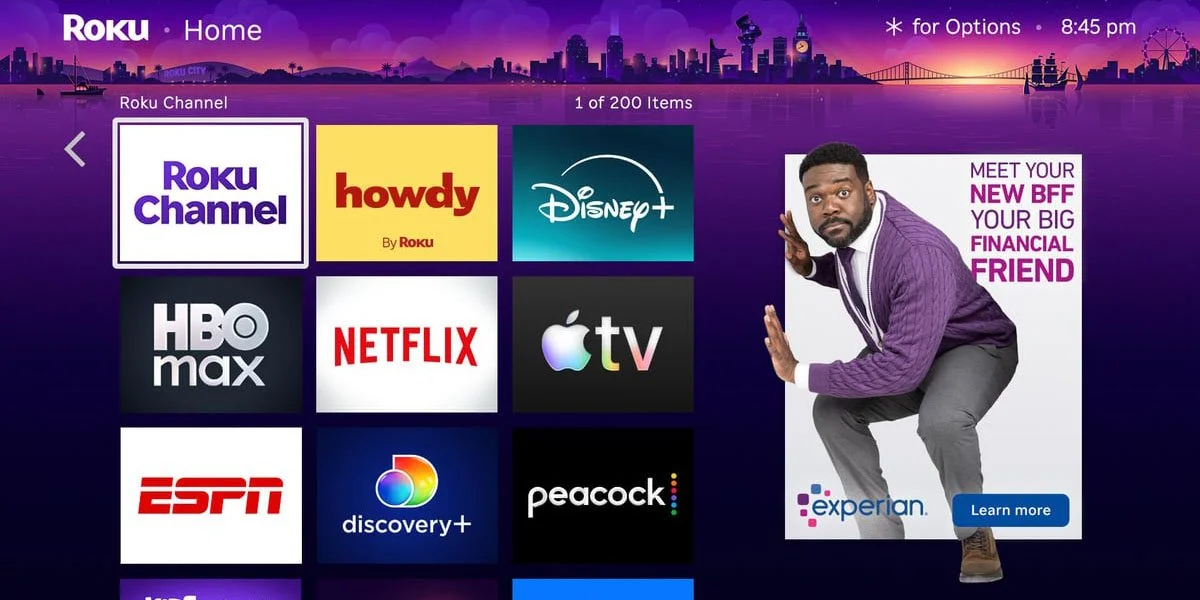
Roku originally emerged from the ashes of Netflix, quickly transitioning from a hardware provider to a software powerhouse. Its platform allows users to access a wide variety of streaming content, making it a central hub for viewers shifting away from traditional cable subscriptions. This shift isn't merely a trend; it's a seismic change in how people consume media, forcing legacy companies like Fox to adapt or risk obsolescence.
Significance of the Merger
Once the deal is finalized, it will position the new entity as the third-largest television player in the U.S. based on viewing share. This merger creates a compelling new competitor in a space currently dominated by giants like Netflix and Amazon. By combining resources and user bases, Fox and Roku can pool their content and technology development to create a uniquely valuable proposition for advertisers and viewers alike.
Integrating Roku's capabilities with Fox's own library of live sports, news, and entertainment content offers viewers an extensive range of choices. There's a kind of magic here, where the combination of Roku's platform and Fox's programming can generate a richer user experience. Advertisers, in turn, will likely find it more appealing to work with a unified entity that can deliver a broader audience with targeted ad opportunities.
According to a report from the Wall Street Journal, Fox Chief Executive Lachlan Murdoch stated, “The deal brings together the most valuable live content portfolio in video consumption with the preeminent streaming platform.” Murdoch's assertion underscores the strategic rationale driving this acquisition: live sports and news continue to attract substantial audience engagement, while Roku remains a leader in user interface and experience.
Market Context
The decision comes at a time when streaming platforms are under significant pressure from consumer expectations and competition. With an ever-increasing array of choices, platforms are not just competing with each other; they're battling for consumer attention in a saturated market. The ongoing challenges of subscriptions and churn rates significantly affect revenue streams, pushing media companies to explore mergers and acquisitions to better position themselves.
For context, consider that many media companies have resorted to bundling services or acquiring platforms to maintain viewer interest and loyalty. Disney, for example, has integrated Hulu and ESPN into its services. Similarly, Discovery's merger with Warner Media aimed to create a more diversified content library. Fox's relationship with Roku could be seen as an effort to replicate this trend but with a unique twist focusing heavily on the intersection of live content and user-generated consumption habits.
Implications of the Acquisition
This acquisition is more significant than it looks. Fox's control of Roku not only means a larger viewer base—over 100 million, according to recent estimates—but also the ability to capture valuable viewer data. Understanding viewing habits and preferences is crucial for content creation and targeted advertising, especially in an era when consumers expect personalized experiences.
What this means for you—if you're working in this space—could be a shift in how content is delivered and monetized. As traditional boundaries between broadcast and streaming continue to blur, we might find channels and platforms responding more rapidly to viewer demands. The new entity’s focus on ad-supported models could change the stakes for how advertisers allocate budgets and for which platforms they choose to invest in for reaching broader audiences.
The merger is also expected to be finalized in the first half of next year, pending approval from both companies' shareholders and regulatory bodies. With regulatory scrutiny intensifying around media consolidation, the path to a completed deal may present its own challenges. Antitrust considerations could arise, impacting timelines and the conditions under which the acquisition proceeds.
Future Outlook
As we look ahead, the implications of Fox acquiring Roku will resonate throughout the industry. The merger changes the competitive dynamics, potentially altering how firms approach user engagement and content investment. Other media companies may consider similar strategies, which could further shake the foundations of both traditional broadcasting and digital streaming.
This kind of consolidation poses risks and rewards. On the one hand, the combined resources may lead to a better user experience and enhanced ad capabilities. On the other, it raises questions about market competition and the implications of fewer independent platforms in the landscape. While the focus is currently on this specific acquisition, it serves as a reminder of the broader trends influencing the media and entertainment sectors.
(And this is the part most people overlook.) The success of this merger will ultimately depend on how well the organizations can integrate their cultures, technologies, and, most importantly, their audiences. Viewing habits are changing rapidly, and any misstep could easily tip the scales in favor of emerging competitors. Fox and Roku will need to tread carefully to ensure that their union isn’t just a financial transaction but a strategic partnership that benefits viewers and shareholders alike.
Image: Roku