WhatsApp is enhancing its web platform with new functionalities that allow users to initiate voice and video calls in group chats. This expansion is designed to build upon the individual calling features that have been in beta testing for some time.
New Calling Features for Group Chats
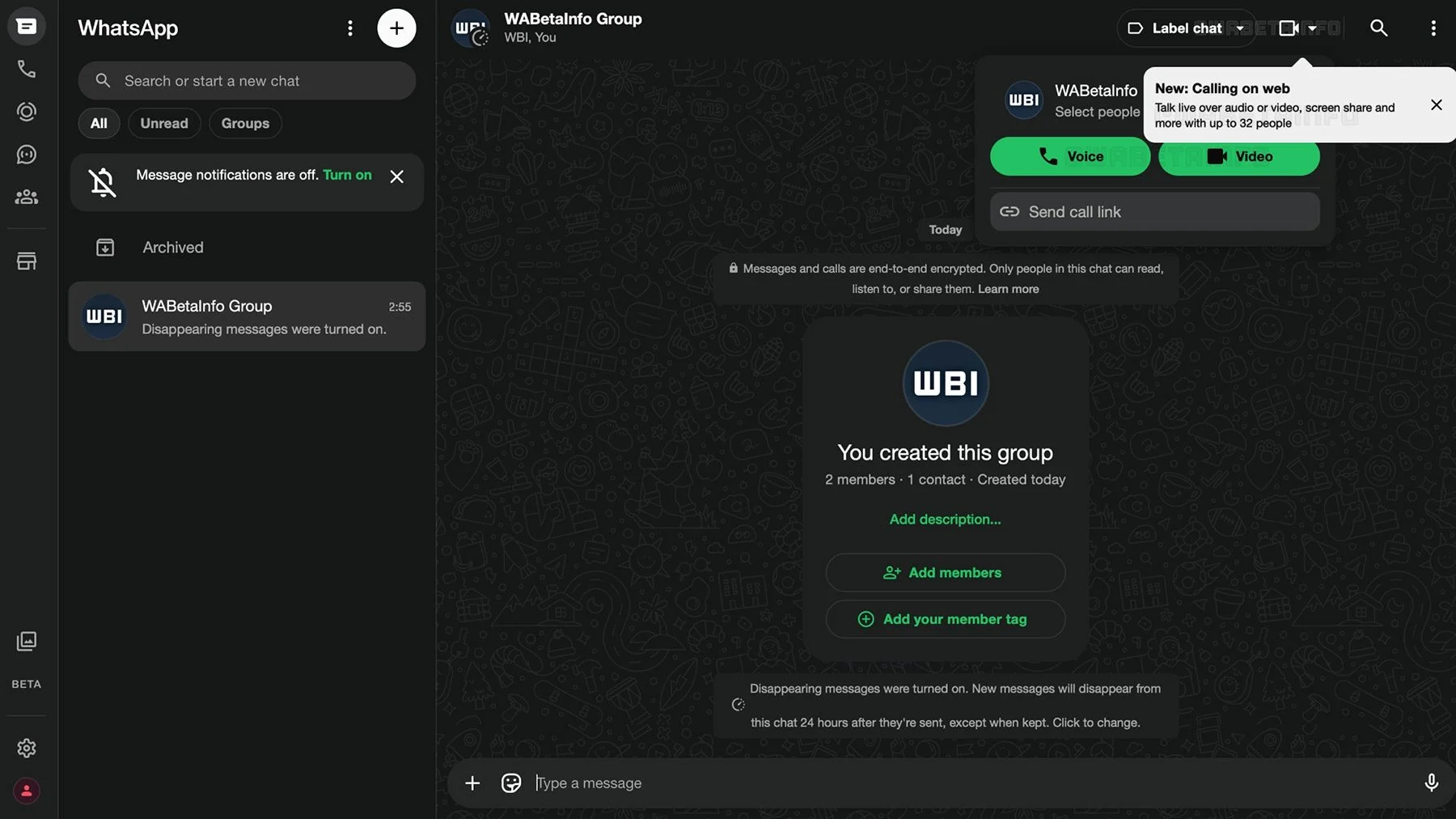
This feature is currently undergoing testing, with some beta users already receiving notifications about its availability for group calls. As reported by WABetaInfo, up to 32 people can participate in a group voice or video call on WhatsApp Web, which makes it a strong option for larger gatherings.
Here's the thing: the ability to host group calls is becoming increasingly important, especially as remote work and virtual gatherings have surged post-pandemic. WhatsApp's integration of group calls into its web platform isn’t just a feature update; it reflects the growing demand for seamless communication tools that cater to larger audiences. Many other popular messaging platforms have already adopted and optimized this feature, so WhatsApp's move is vital for staying competitive.
Users can initiate calls similarly to how they do in individual chats. A simple call button is located at the top of the group chat conversation, which offers the option to start either a voice call or a video call. This straightforward process mirrors the individual call feature and is fairly intuitive. Users can also selectively choose which members of the group to include, allowing for more targeted and private conversations. That flexibility is an important aspect of group dynamics—sometimes, you need to talk to just a few people instead of the entire group.
Security and Accessibility
WhatsApp ensures that all group voice and video calls are secured with end-to-end encryption. In an age where privacy concerns loom large, this security measure stands out as a significant advantage. Encryption remains one of WhatsApp’s key selling points, allowing users to communicate freely without fear of interception. Other platforms might promise security, but WhatsApp's commitment ties directly back to its branding as a privacy-focused service.
Accessibility is another notable feature. WhatsApp's support for call links allows users to invite others to join discussions with ease, removing barriers that often accompany other platforms' invite systems. This user-friendly approach enhances the platform's appeal, particularly for less tech-savvy individuals who might struggle with more complex setups found in competing services.
For those interested in exploring these new features, joining the WhatsApp Web beta is simpler than its mobile counterpart. The mobile app's beta program often reaches capacity quickly, leaving eager users out of the loop. The web platform, however, allows users to toggle into the beta program more straightforwardly—navigating to Settings > Help and enabling the beta toggle. It’s a small but meaningful shift in user experience design, especially for those heavily reliant on web applications.
However, being part of the beta doesn’t guarantee instant access to every new feature. WhatsApp tends to roll out updates gradually, a practice that can create frustration for eager users wanting immediate access to new functionalities. (And this is the part most people overlook.) Being in a beta program can sometimes feel like a mixed bag: users may get excited about the prospect of new features, but patience often dictates whether they actually see them first. For the best experience, users might want to keep an eye on forums or social media discussions where other beta testers share insights about their experiences.
If you're eager to explore what the beta version has to offer, you can follow this link to read the full report by WABetaInfo.
Implications for the Future
The expansions in WhatsApp’s calling features point towards a broader trend in communication technologies whereby platforms are increasingly tasked with addressing diverse user needs. As remote work and virtual socializing surge, services like WhatsApp must adapt or risk losing users to more competitive apps that can cater to these needs faster.
Moreover, WhatsApp's commitment to enhancing its web capabilities underlines the significance of cross-platform functionality. Users are craving more integrated experiences—not just in messaging, but in initiating calls and conducting meetings. This push could very well redefine how users interact, prompting speculation that WhatsApp may further develop its web platform in ways not yet envisioned.
By focusing on user privacy and ease of access, WhatsApp seems to be positioning itself not just as a messaging app but as a comprehensive tool for communication. The implications of this shift could set the stage for new features, larger integrations with business tools, and expanded functionalities that blend social and professional communication seamlessly.
In a competitive market overflowing with various messaging options, this effort to enhance group interactions may not just be an improvement—it's a potential defining moment for WhatsApp’s future relevance in a fast-paced digital world.