Apple's latest software update, iOS 27, introduces several enhancements related to Apple Intelligence, but not all iPhones will be able to take advantage of them. Specifically, the iPhone 17 is excluded from accessing critical features due to its hardware limitations.
Hardware Limitations Impacting Feature Access
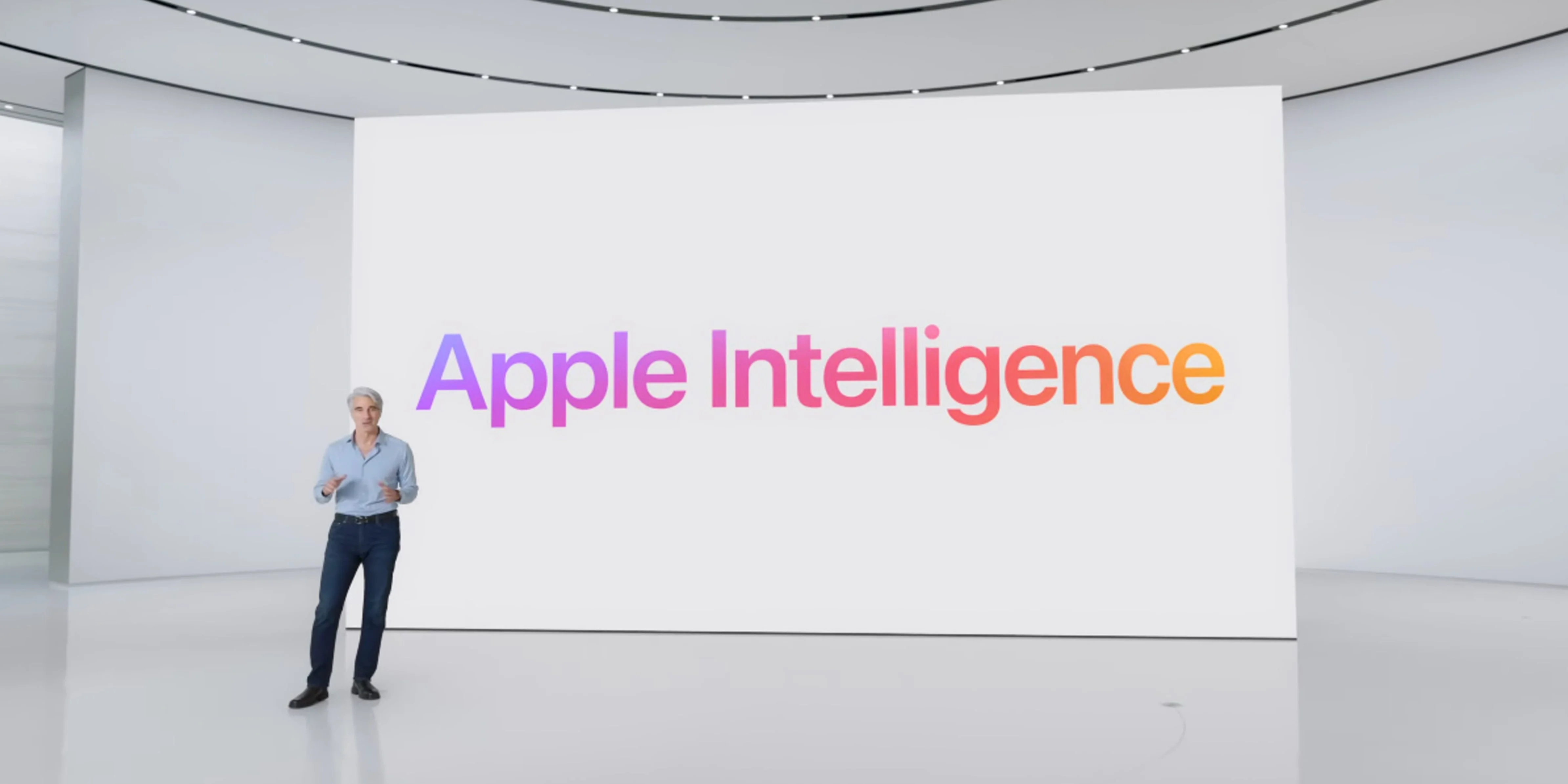
When Apple introduced Apple Intelligence in June 2024, it set a precedent by making advanced features available only on the iPhone 15 Pro and iPhone 15 Pro Max, sidelining the affordable iPhone 15 and iPhone 15 Plus. This remarkable shift in Apple's approach took many by surprise, particularly since Apple has long prided itself on providing prolonged support and updates for a broader spectrum of devices, including older models.
Now, history is repeating itself with the rollout of iOS 27, once again restricting essential AI functionalities to higher-tier models. The iPhone 17 similarly falls short, lacking the necessary hardware to harness these new capabilities. This trend suggests that Apple may be deliberately narrowing the scope of feature availability to promote its premium offerings. With GPUs and specific chip functionalities at the forefront of tech innovations, it raises the question: Is Apple intentionally redesigning its software capabilities to push consumers toward eventually abandoning older or mid-range models?
Key Features Unavailable on iPhone 17

This year, iPhone 17 users will miss out on two major upgrades:
- The advanced on-device AI model in iOS 27 requires the iPhone 17 Pro or Pro Max, or an iPhone Air.
- A new voice customization feature for Siri is also limited to the higher-end models mentioned.
The stipulation hinges on the device's RAM: the iPhone 17 is fitted with 8GB, while the Pro and Air models boast 12GB. This RAM requirement, highlighted by Apple, is set to dictate feature availability not just across iPhone models but also among iPads and Macs:
- iPads must have M4 or later chips accompanied by 12GB or more in memory.
- M3 or later Mac models also need a minimum of 12GB of RAM.
This continued exclusion of advanced AI features from mid-range models raises valid concerns among users. As iOS 27 strives to revitalize Apple Intelligence, the disappointment among iPhone 17 users who feel sidelined by hardware constraints is palpable. It's frustrating to invest in a device that, within a relatively short period, becomes obsolete in terms of software capabilities—especially when competing brands often extend feature support across a broader range of their devices.
Seeking Compatibility with Accessories
- AirPods Pro 3 (now only $179, down from $249)
- MagSafe Car Mount for iPhone
- 10-year AirTag battery case
- AirTag 2 (1-pack) / (4-pack)
- 100W USB-C fast charging power adapter
The limits being placed on the iPhone 17 indicate a clear strategy from Apple aimed at encouraging upgrades to higher-end models. By positioning essential features only within premium devices, Apple effectively nudges its user base toward spending more for the latest technology. Whether this shift in focus will become a significant trend or if it's merely a temporary measure intended to boost sales of specific models remains uncertain. Nonetheless, for users who want to stay on the cutting edge of software innovations, it'll become increasingly necessary to invest in higher-end devices.
Implications and Future Outlook
This strategic exclusion of iPhone 17 from key features might be more significant than it looks. As consumer expectations rise, many users are seeking devices that can adapt and grow with technological advancements. By locking essential features behind higher-end models, Apple runs the risk of alienating a portion of its user base who feel they're paying for less functionality than anticipated.
If you're working in this space, consider how competitive the smartphone market has become. Other manufacturers have demonstrated a willingness to offer robust feature sets across various price points. This positions them as attractive alternatives for consumers who are no longer willing to tolerate mid-range devices left behind. As AI capabilities become increasingly integral to everyday functionality and user experience, Apple's restrictive approach could backfire, driving users to explore other ecosystems.
And yet, there's an opportunity for Apple to recalibrate its strategy. As AI becomes more ubiquitous, the challenge will be in balancing feature availability with hardware requirements. Will future updates extend more flexibility to mid-range models? That’s a question Apple needs to address moving forward. If history serves as any guide, customers will be watching closely, pressuring Apple to ensure that value aligns with price, rather than merely creating a digital divide within its own product lineup.