Siri AI has made its debut in the iOS 27 beta, now available to users who have exited the waitlist. This release carries a significant clue about an anticipated design tweak for the iPhone 18 Pro, set to launch this fall.
Siri AI's Shape Offers Insights Into iPhone 18 Pro Design Changes
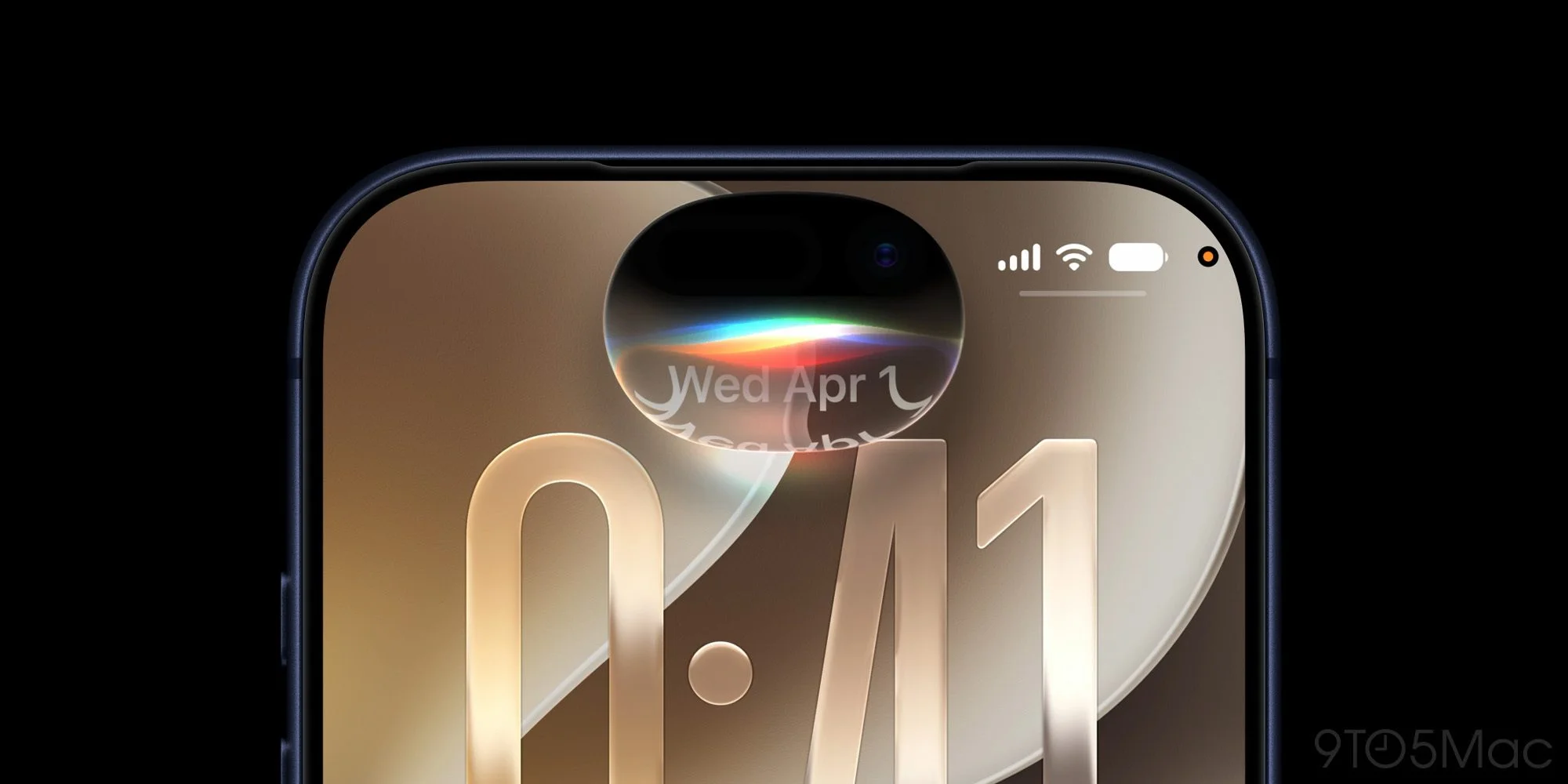
The launch of Siri AI in the iOS 27 beta doesn't just introduce advancements in voice functionality; it also provides a window into Apple's design philosophy for the upcoming iPhone 18 Pro. Traditionally, Apple has been meticulous about how software and hardware interact, and this release signals a continued commitment to aesthetics married with user experience. Users opting for the latest iPhone model will likely find a visual coherence that enhances both usability and aesthetics.
While the iPhone 18 Pro shares a familiar aesthetic with last year's iPhone 17 Pro, complete with a full-width camera plateau and aluminum unibody, rumors abound about new design modifications. Notably, the anticipated changes include a redesigned Dynamic Island, which could shrink in size by roughly a third compared to its predecessor. This reduced size isn't merely about looks; it’s tied to the broader software experience. Many speculate that this change will allow for a more efficient use of screen space—an element that Apple has increasingly focused on in recent iterations of the iPhone. If you're working in this space, you'll understand how crucial these design tweaks are for enhancing functionality without disrupting the overall user experience.
The recently unveiled Siri AI in iOS 27 beta appears to corroborate these expectations of a smaller Dynamic Island. Current iPhones showcase an elongated oval-shaped Siri interface. In contrast, devices like the iPad and Mac illustrate a more conventional orb design. This disparity hints at a potential redesign for Siri AI on the iPhone 18 Pro, which could integrate nicely with the forthcoming smaller cutout. The actual design choice reflects Apple's understanding of consumer preferences while emphasizing a functional interface.
The essence of this redesign is to ensure that Siri's new interface complements the Dynamic Island's full width, preventing any awkward appearances. Currently, Siri's elongated form resembles more of a pill shape due to the broader cutout on existing models. By aligning Siri's appearance with the expected size of the Dynamic Island, Apple is likely trying to create a more harmonized aesthetic—something that respects both the form factor of the device and the intuitive nature that users expect from Siri.
Purchasing the iPhone 18 Pro this fall will allow users to experience Siri AI in its intended design, consistent with how it currently appears on iPads and Macs. This thematic cohesion across devices is more significant than it looks—it's an indication that Apple is keen on providing a unified experience across its ecosystem. Users won’t just be getting a phone; they'll be investing in a product that feels well-integrated, regardless of which Apple device they’re using. Are we seeing Apple pivot back toward a focus on consistent user interfaces across its offerings? Possibly.
The Significance of a Cohesive Design Language
The significance of these design updates extends beyond mere aesthetic appeal. Apple thrives on delivering a user experience that feels both intuitive and seamless, something that is often overlooked when discussing hardware updates. A modular approach to design, where every element — from hardware to software — works in concert makes a substantial difference in how end-users interact with their devices. A reduction in Dynamic Island size, paired with an updated Siri interface, is a smart move aimed at creating a cleaner, more user-friendly graphical environment. What's more, these changes could impact how third-party developers design their apps, prompting them to align more closely with Apple's updated UI guidelines. If users become accustomed to a new standard for how interfaces should look and feel, it might inspire a wave of design enhancements across a multitude of applications.
Implications for the Future
So what does all this mean for Apple and its growing user base? While these updates hint at Apple's commitment to aesthetic consistency, they also signal an ongoing evolution in user expectations. As technology moves forward, consumers will likely demand not just functional devices but ones that provide an immersive and satisfying user experience. The implications here are substantial. For Apple, aligning Siri AI with the new iPhone design can set a precedent for how future products might be designed. It indicates a willingness to iterate on existing products and their frameworks based on user feedback and emerging trends in design philosophy. What this means for you is simple: watch how Apple integrates its various tools and devices. This is a company that isn't just making phones; it's sculpting an ecosystem that values cohesion and user engagement. Want the latest? Set your sights on this year's innovations, as they might just be signaling the path ahead.